
The supplement industry continues to grow at an impressive pace across the United States. Consumers are becoming more health conscious, more educated about ingredients, and increasingly interested in personalized wellness solutions.
Because of this demand, many entrepreneurs are asking the same question: can I make my own supplements and sell them?
The answer is yes. You can make your own supplements and legally sell them in the United States. However, the process involves much more than simply mixing ingredients and placing a label on a bottle.
Success in the supplement industry requires product development, regulatory compliance, manufacturing expertise, branding, and quality control.
For most businesses, partnering with a private label or custom supplement manufacturer is the most efficient way to enter the market.
This approach allows companies to launch high quality products without building their own production facility.
If you are researching how to make my own supplements and create a profitable supplement brand, understanding the manufacturing process and industry standards is essential.
Summary
Understanding the Supplement Industry
The dietary supplement market in the United States is big and includes products such as vitamins, minerals, herbal extracts, sports nutrition formulas, probiotics, capsules, powders, gummies, and functional wellness blends.
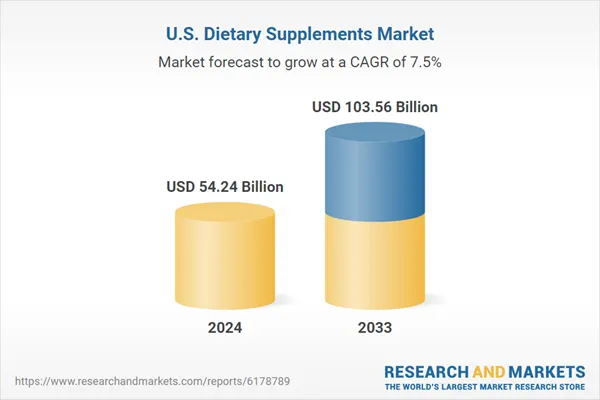
Consumers use supplements for energy, immune support, muscle growth, sleep, digestion, cognitive performance, and overall health.
As demand increases, businesses of all sizes are entering the market. Some companies start with a single niche product while others launch full supplement lines targeting specific audiences.
When entrepreneurs ask whether they can make my own supplements, they are usually referring to one of two approaches.
The first is manufacturing products independently, which requires facilities, equipment, certifications, sourcing capabilities, and extensive regulatory knowledge.
The second approach involves outsourcing production to a professional supplement manufacturer that specializes in formulation and production services.
The second option is significantly more practical for startups and growing brands.
Why Most Brands Choose Third Party Manufacturing
Building a supplement manufacturing facility is expensive and operationally complex. Companies must invest in machinery, raw material sourcing, testing procedures, sanitation systems, compliance documentation, and trained personnel.
Third party supplement manufacturers already have these systems in place. They help businesses create custom products while ensuring that manufacturing processes follow industry regulations and quality standards.
For entrepreneurs searching online for how to make my own supplements, private label manufacturing offers several advantages.
Lower Startup Costs
Launching a supplement brand through a contract manufacturer eliminates the need to purchase expensive equipment or lease industrial facilities.
Instead of investing millions into production infrastructure, businesses can focus their resources on branding, marketing, and customer acquisition.
Faster Time to Market
Experienced manufacturers already have established production systems and ingredient suppliers.
This allows brands to develop and launch products much faster than attempting to manufacture independently.
Regulatory Compliance
Dietary supplements in the United States are regulated by the Food and Drug Administration under current Good Manufacturing Practices.
Manufacturers familiar with these regulations help brands avoid compliance issues that could damage reputation and profitability.
Access to Formulation Expertise
Many manufacturers employ formulation specialists who understand ingredient compatibility, dosage levels, flavor systems, stability testing, and delivery methods.
This expertise is valuable when creating innovative products that stand out in a competitive market.
How to Make My Own Supplements Successfully
Starting a supplement business involves several strategic decisions. While the exact process varies depending on your goals, most successful supplement brands follow a structured approach.
Define Your Niche and Target Audience
Before creating a formula, you need to understand who your customers are and what problem your supplement solves.
Some brands focus on sports performance while others target sleep support, gut health, immune function, weight management, or natural wellness.
A clearly defined niche makes marketing more effective and helps products resonate with consumers.
When planning to make my own supplements, many entrepreneurs make the mistake of trying to appeal to everyone.
Narrowing your audience often leads to stronger branding and better customer loyalty.
For example, a supplement designed specifically for endurance athletes requires different ingredients and messaging than a supplement intended for office professionals dealing with stress and fatigue.
Choose Between Private Label and Custom Formulation
One of the first major decisions involves selecting either private label supplements or custom formulations.
Private Label Supplements
Private label products are pre formulated supplements that manufacturers already produce. Businesses can place their own branding and packaging on these products and quickly enter the market.
This option is ideal for startups that want lower development costs and faster product launches.
Custom Formulations
Custom formulations allow brands to create unique products with specific ingredients, dosages, flavors, and delivery systems.
Although this process takes more time and investment, it provides greater differentiation in the marketplace.
Companies looking to build a distinctive identity often choose custom supplement manufacturing because it gives them full control over product positioning.
Selecting the Right Ingredients
Ingredient quality plays a major role in customer trust and long term brand success. Consumers today are more informed than ever and often research ingredient sourcing, purity, and effectiveness before purchasing supplements.
When working with a supplement manufacturer, it is important to ask about ingredient testing, certificates of analysis, and sourcing standards.
Many premium brands emphasize features such as non GMO ingredients, vegan formulas, gluten free production, organic certification, and transparent labeling.
If your goal is to make my own supplements that compete in the premium wellness market, ingredient transparency can become a major selling point.
Understanding FDA Regulations for Supplements
A common misconception is that dietary supplements require FDA approval before being sold. In reality, supplement manufacturers are responsible for ensuring that their products are safe and properly labeled before entering the market.
The FDA regulates supplements under the Dietary Supplement Health and Education Act. Companies must follow labeling requirements and avoid making unauthorized disease treatment claims.
For example, supplement brands cannot claim that a product cures or prevents diseases unless approved as a drug. However, structure and function claims are permitted when properly substantiated.
This is one reason why experienced manufacturing partners are valuable. They help businesses navigate regulatory language, compliance requirements, and labeling standards.
The Importance of GMP Certified Manufacturing
Good Manufacturing Practices are critical in the supplement industry. GMP certification demonstrates that products are manufactured in controlled environments with documented quality procedures.
Consumers increasingly look for GMP certified supplements because they associate certification with safety and reliability.
Businesses planning to make my own supplements should prioritize manufacturing partners with strong quality assurance systems, third party testing, and documented compliance procedures.
Poor manufacturing standards can lead to contamination, inaccurate ingredient dosages, recalls, and severe reputational damage.
Choosing the Right Supplement Format
Modern supplement brands have more delivery options than ever before. Different formats appeal to different audiences and product categories.
Capsules
Capsules remain one of the most popular supplement formats because they are convenient, easy to produce, and suitable for a wide range of ingredients.
Powders
Powders are commonly used for protein supplements, pre workouts, greens blends, and hydration products. They allow for larger serving sizes and customizable flavors.
Gummies
Gummy supplements continue to grow in popularity due to their taste and convenience. They appeal strongly to younger consumers and those who dislike swallowing capsules.
Softgels
Softgels are ideal for oil based ingredients such as omega 3 fatty acids and certain fat soluble vitamins.
Choosing the right delivery format affects manufacturing costs, branding opportunities, consumer perception, and product functionality.
Branding and Packaging Matter
Even the best supplement formula can struggle without strong branding. The supplement market is highly competitive, and packaging often influences purchasing decisions before customers even examine ingredient labels.
Successful supplement brands invest in professional packaging design, cohesive messaging, and clear product positioning.
When consumers browse online or in retail stores, they are looking for brands that appear trustworthy, modern, and aligned with their wellness goals.
Companies wanting to make my own supplements should think beyond formulation and consider the complete customer experience, including packaging aesthetics, label clarity, and unboxing presentation.
E Commerce and Selling Supplements Online
Many supplement brands launch through ecommerce platforms before expanding into retail distribution. Selling online provides lower overhead costs and direct access to consumers.
Popular sales channels include Shopify stores, Amazon, subscription models, and social commerce platforms.
Digital marketing plays a central role in supplement sales. Brands often use content marketing, influencer partnerships, search engine optimization, email campaigns, and paid advertising to drive growth.
SEO is particularly important because consumers frequently search questions like “how to make my own supplements” or “best private label supplement manufacturer” before purchasing or launching a business.
High quality educational content can attract organic traffic while establishing authority in the wellness industry.
The Role of Supplement Manufacturers in Product Development
A professional supplement manufacturer does far more than produce capsules or powders. Many manufacturers provide end to end services that simplify the entire business process.
These services may include:
Formula Development
Manufacturers help create effective and marketable supplement formulas based on scientific research and industry trends.
Flavoring and Taste Optimization
Flavor is essential for powders, gummies, and drink mixes. Manufacturers often assist with flavor systems and sensory testing.
Label Compliance
Manufacturers help ensure labels follow FDA guidelines and include required information.
Packaging Solutions
Many facilities provide bottle sourcing, labeling, shrink wrapping, and packaging support.
Logistics and Fulfillment
Some supplement manufacturers also handle warehousing and shipping services, allowing brands to scale more efficiently.
This full service approach is especially beneficial for startups that want to focus on marketing and business growth rather than production management.
Common Challenges When Starting a Supplement Brand
Although the supplement industry offers strong opportunities, success still requires planning and execution.
One common challenge is market saturation. Many supplement categories already contain thousands of competing products. Brands need strong differentiation and clear messaging to stand out.
Another challenge involves customer trust. Consumers are increasingly skeptical of low quality supplements and exaggerated marketing claims. Transparency, testing, and credible branding help overcome these concerns.
Inventory management can also become difficult if businesses underestimate demand or overproduce inventory.
Working with an experienced manufacturing partner helps reduce many of these operational risks.
How Much Does It Cost to Start a Supplement Brand?
Costs vary depending on formulation complexity, packaging choices, order quantities, and marketing strategies.
Private label supplements generally require lower initial investment because formulas already exist.
Custom formulations typically involve research and development costs, flavor testing, stability testing, and higher minimum order quantities.
Entrepreneurs researching how to make my own supplements should prepare for expenses related to branding, packaging design, ecommerce development, advertising, legal compliance, and inventory production.
Although startup costs vary widely, outsourcing manufacturing remains far more affordable than building an in house production facility.
Why the Supplement Industry Continues to Grow
The supplement industry benefits from several long term trends. Consumers are prioritizing preventive wellness, fitness, mental performance, and healthy aging. Interest in personalized nutrition and functional ingredients continues to expand.
Social media and influencer marketing have also accelerated supplement brand growth by allowing companies to reach highly targeted audiences quickly.
As wellness culture becomes more mainstream, opportunities for innovative supplement brands continue to increase.
Entrepreneurs who understand branding, digital marketing, and consumer behavior are well positioned to succeed in this evolving market.
Final Thoughts
So, can I make my own supplements and sell them? Absolutely. The modern supplement industry offers tremendous opportunities for entrepreneurs, wellness brands, fitness professionals, and ecommerce businesses.
However, building a successful supplement company requires more than simply creating a formula.
Quality manufacturing, regulatory compliance, branding, marketing, and consumer trust all play essential roles in long term success.
For most businesses, partnering with an experienced supplement manufacturer is the smartest and most scalable approach.
Outsourcing production allows brands to launch faster, reduce operational complexity, and focus on building strong customer relationships.
Whether you choose private label products or custom formulations, working with the right manufacturing partner can help transform your supplement business idea into a competitive and profitable brand.
If your goal is to make my own supplements and enter the growing wellness market, investing in quality, transparency, and professional manufacturing support will position your business for sustainable growth.

