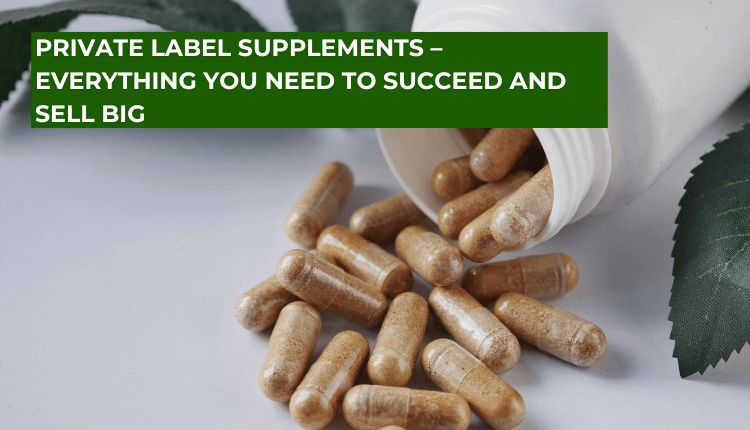
If you’re building or growing a supplement brand, you must understand FDA supplement label rules.Staying compliant is not optional. Critical.
Many founders assume that if a product is on the market, regulators have already approved it.
That’s not.
- FDA rules for supplement labels define what you can say.
- FDA’s supplements requirements are different than conventional food’s.
- Following these rules are as important as good manufacturing practices.
- They also specify how you must structure your label.
- These rules explain what makes your product legally compliant.
And if you get it wrong, regulators can classify your product as misbranded, even if it’s already selling.
Summary
Are supplement labels regulated by the FDA?
Yes. FDA supplement label rules apply to all dietary supplements sold in the United States. This includes products sold online or in retail stores. It also includes products made in the U.S. or imported. Companies must follow FDA labeling rules.
- These rules come from the FD&C Act and DSHEA.
- These rules cover what must appear on the label.
- They also explain how to present the label.
- The label must list the product identity (for example, “dietary supplement”).
- It must also show the net quantity of contents.
- Include a Supplement Facts panel.
- Provide a complete ingredient list.
- This includes other ingredients, like fillers or flavors.
- It must include allergen information when needed.
- Give directions for use.
It must list the name and address of the responsible company. Labels must also be truthful and not misleading, and any permitted structure/function claims must include the required disclaimer.
However, the FDA does not generally pre-approve dietary supplements before companies market them. Unlike prescription drugs, manufacturers can sell most supplements without FDA review or approval before sale. The manufacturer is responsible for ensuring the supplement is safe, properly manufactured, and correctly labeled before it reaches consumers.
The FDA usually becomes involved after a product is on the market. Through inspections, we monitor adverse event reports and review complaints. We take enforcement action when products are unsafe, adulterated, or misbranded.
Limited exceptions exist. One is the need to submit a “new dietary ingredient” (NDI) notice. In many cases, you must submit it before marketing. But this is not the same as FDA approval.
Instead, brands (the businesses listed on the packaging) must make sure their products comply with every law and regulation before they’re sold. This includes confirming all ingredients are permitted.
It also requires that any claims are accurate and not deceptive.
The labels must meet the required standards.
Manufacturing must follow proper quality and safety practices.
The FDA’s role is primarily post-market enforcement. In other words, the agency usually does not “approve” most products before sale. It monitors the marketplace and acts after it sells products. It does this when it finds possible violations.
Using inspections, sampling, adverse event reports, consumer complaints, and other evidence. Enforcement can include warning letters, product seizures, injunctions, recalls, import alerts, or other regulatory steps.
Recalls can be voluntary, including those requested by the FDA.
👉 This creates a system where:
– Speed to market is high: companies can launch products without routine premarket approval in many categories. This allows faster innovation and competition.
– But legal responsibility is also high: The brand must follow the rules from day one. Companies face serious risk if they launch with noncompliant labels. They also risk unsafe products, improper claims, or weak quality controls.
For official FDA guidance, see:
– FDA — Guidance Documents (Search): https://www.fda.gov/regulatory-information/search-fda-guidance-documents
– FDA — Small Business & Industry Assistance: https://www.fda.gov/industry/small-business-industry-assistance
Brands can move quickly, but they must build compliance upfront. FDA enforcement often comes after a product is already on the market.
https://www.fda.gov/food/dietary-supplements
What do FDA supplement label regulations actually require?
To meet FDA rules for dietary supplement labels, your product label must include key required items. It must be clear, accurate, and properly formatted. If a required item is missing, wrong, or misleading, your supplement may be “misbranded” under U.S. law. This means it may be illegal to market and sell.
At a minimum, your label typically needs to include:
– Statement of identity (what the product is), such as “Dietary Supplement.”
– Net quantity of contents, for example the number of capsules/tablets or the total weight/volume.
– Supplement Facts panel, including serving size and servings per container. Include all dietary ingredients and their amounts. Add % Daily Value when it applies.
– Other ingredients list, showing non-dietary ingredients. Examples include capsule material, fillers, and flavors. List them in descending order by weight.
– Name and place of business of the manufacturer, packer, or distributor. Include a valid address. Add contact information if you use it.
– Directions for use, such as suggested serving instructions.
– Required warnings or statements when applicable (for example, allergen statements, specific ingredient cautions, or other safety notices).
– Proper claims and disclaimers, making sure structure/function claims are true and include the required FDA disclaimer.
Making sure all required elements are present and correct keep your product compliant. It also lowers regulatory risk and protects your right to sell legally in the U.S.
1. Statement of Identity
This tells the consumer what the product is.
Examples:
- Dietary Supplement
- Vitamin Supplement
Must appear on the front panel.
2. Net Quantity of Contents
Shows how much product is inside.
Examples:
- 60 Capsules
- Net Wt. 120g
3. Supplement Facts Panel


4
This is the most regulated part of your label.
It must include:
- serving size
- servings per container
- active ingredients
- amount per serving
- % daily value
👉 Formatting rules are strict and defined by law.
4. Ingredient List
Lists inactive ingredients such as:
- gelatin
- cellulose
- magnesium stearate
5. Name and Place of Business
Identifies who is legally responsible.
Must include:
- company name
- city and state
- address (if not listed publicly)
6. Adverse Event Contact Information
You must provide:
- phone number OR
- mailing address
👉 Required for consumer safety reporting.
What claims can supplement labels make under FDA regulations?
This is where most brands fail.
Structure/Function Claims (Allowed)
Examples:
- supports immune health
- promotes relaxation
- helps maintain energy
Requirements:
- must be truthful
- must be supported by evidence
- must include disclaimer
Health Claims (Restricted)
Example (original):
“Calcium may reduce risk of osteoporosis.”
Expanded (more detailed):
This statement is a restricted health claim.
It suggests that calcium may lower the risk of osteoporosis.
Osteoporosis is a condition where bones become weak and more likely to break. Claims like this link a nutrient (calcium) to a disease or health condition (osteoporosis).
So, they are only allowed when the FDA specifically authorizes or approves them.
They must also follow the FDA’s required wording and conditions for use.
Key rule:
✅ Allowed only if FDA-approved (and used exactly as permitted).
❌ Not allowed as a general marketing claim without FDA authorization.
Disease Claims (Prohibited)
Examples:
- treats anxiety
- cures arthritis
- prevents Alzheimer’s
👉 These violate FDA supplement label regulations and classify your product as a drug.
DSHEA Disclaimer (Mandatory)
If you use structure/function claims, you must include:
“These statements have not been evaluated by the Food and Drug Administration…”
FDA supplement label regulations require this.
Who is responsible for compliance?
Under FDA supplement label regulations, the responsible party is:
👉 the company listed on the label
Even if you:
- use white label manufacturing
- outsource production
- use third-party logistics
You are still responsible.
FDA vs FTC: Understanding the difference
To fully comply:
- FDA regulates labeling
- FTC regulates advertising
For FTC guidelines, see:
https://www.ftc.gov/business-guidance/resources/dietary-supplements-advertising-guide
👉 Your entire funnel must align:
- product label
- website
- ads
- influencer content
What is misbranding in supplements?
A product violates FDA supplement label regulations if:
- required elements are missing
- claims are misleading
- label formatting is incorrect
- label does not match product contents
Common mistakes brands make
Most issues come from:
- copying competitor labels
- making aggressive claims for conversion
- ignoring claim substantiation
- focusing only on design
- misalignment between ads and label
How to ensure compliance before launching
Use this checklist:
- validate all label elements
- review Supplement Facts formatting
- audit all claims
- include DSHEA disclaimer
- verify ingredient transparency
- include contact information
Internal Resources (Recommended)
To go deeper, you may also want to read:
- How to Start a Private Label Supplement Business – Step by Step
- How Do Private Label Supplements Work
- How to Optimize Your Supplement’s Sales Page to Sell More
FAQ: FDA supplement label regulations
Are supplement labels FDA approved?
No. They are regulated but not pre-approved.
What are FDA supplement label regulations?
They are rules defining labeling structure, claims, and compliance requirements for dietary supplements.
Can supplements claim to treat diseases?
No. That violates FDA regulations.
What happens if a label is not compliant?
They may consider the product misbranded and take enforcement action.
Conclusion
FDA supplement label rules apply to all supplements sold in the U.S. Products are not pre-approved before sale. Brands are responsible for compliance, and enforcement happens after the product reaches the market.Continuation (in English):
Key FDA label requirements include a “Supplement Facts” panel and a full ingredient list.
They also include the net quantity of contents and the suggested use.
The label must list the name and business address of the manufacturer, packer, or distributor. Labels must list the serving size and the amount of each dietary ingredient per serving. They must also list other ingredients in descending order by weight.
You may allow claims only within specific categories. “Nutrient content” claims describe the level of a nutrient (when permitted). “Structure/function” claims explain how a nutrient supports normal body structure or function.
They must not mention diseases.
They must include this required disclaimer:
“These statements have not been evaluated by the Food and Drug Administration.” This product is not intended to diagnose, treat, cure, or prevent any disease.”
A supplement label may misbrand the product if it makes illegal disease claims, omits required information, or misleads consumers. FDA enforcement may include warning letters, product seizure, injunctions, or recalls.
Recalls may be voluntary or required in some cases.
Main points to remember.
- Dietary supplements are classified as foods rather than medicines. This affects what claims you’re allowed to make on the label and how the product is overseen and regulated.
- You must add all mandatory label components, including items such as:
– Statement of identity (what the product is)
– Net quantity of contents
– Supplement Facts panel
– Ingredient list (including other ingredients like fillers)
– Allergen labeling (when applicable)
– Name and place of business of the manufacturer/packer/distributor
– Directions for use and serving size
Claims and disclaimers
– Structure/function claims are allowed (e.g., “supports immune health”), but they must be truthful and not misleading.
– You may not make disease claims (e.g., “treats diabetes,” “prevents cancer”).
– If you use a structure/function claim, you generally need the disclaimer:
“These statements have not been evaluated by the Food and Drug Administration. This product is not intended to diagnose, treat, cure, or prevent any disease.”
Enforcement and best practices
– The FDA can act through warning letters, seizures, injunctions, recalls, or import alerts.
– To reduce risk, brands should keep proof for claims. They should follow cGMPs and review labels against current FDA rules before selling.